Laser Dentistry
Serving Chevy Chase in Washington, DC


Technology is only valuable when it truly improves treatment. Even the most advanced device does little good if not used wisely. In dentistry, this is especially important when working with delicate tissue, small margins, and the need to solve problems gently.
Laser dentistry is not a separate type of treatment. Instead, it offers a more precise way to carry out certain dental procedures.
At Chevy Chase Digital Dentistry, Dr. Azin Ghesmati uses laser dentistry when it helps improve control, comfort, and tissue management for patients in Washington, D.C. In the right situations, laser treatment can help with periodontal care, preparing cavities, gum contouring, soft tissue work, tooth desensitization, and other targeted dental treatments. It does not replace good clinical judgment or every traditional method. Instead, it is chosen when it is the best tool for the specific case. For patients comparing Washington, DC laser dentistry options, the bigger question is not whether a laser is available. It is whether the laser is the right tool for the specific procedure, tissue, and diagnosis.
Dr. Ghesmati approaches clinical care with an engineer’s mindset. This is clear in her planning, tissue control, and ability to treat with less trauma than some traditional methods. The focus is not on technology itself, but on providing more accurate treatment, cleaner results, and a better experience for patients.
Laser dentistry uses focused light energy to assist in selected hard and soft tissue dental procedures.
This definition is important. Some marketing suggests laser dentistry replaces all traditional tools, but that is not true. It is just one part of a larger treatment plan. When used appropriately, dental lasers can improve visibility, precision, and comfort. They may also help reduce bleeding, swelling, and recovery time for some procedures. Lasers can be used for both hard tissue and soft tissue treatments, allowing for more controlled tissue work and less trauma than traditional tools.
At Chevy Chase Digital Dentistry, laser treatments are chosen carefully. The treatment must make sense for your diagnosis. The laser is used only when it can improve how your care is delivered.
Most patients are not asking for a laser just for the sake of it. They want to solve a dental problem, and sometimes, a laser is the best tool for the job. Laser-assisted treatment may be used for:
Laser dentistry is used here for periodontal care, restorative work, gum contouring, and gentle removal of minor soft tissue lesions. The dual-laser system helps Dr. Ghesmati provide laser dentistry Chevy Chase patients trust for both soft and hard tissue treatments when clinically appropriate.
Some patients visit because of inflamed gums. Others need controlled tissue management before restorative work. Some want treatments that reduce vibration, noise, or the need for anesthesia. Each situation is different and should be treated individually.
A laser is simply a tool, not an automatic improvement for every case.
Some dental offices use technology mainly as a marketing tool, but Dr. Ghesmati takes a different approach. She looks at what your tissue needs, how your teeth and gums are responding, and whether laser therapy truly offers an advantage over traditional methods. For soft tissue care, lasers can improve control and visibility while reducing bleeding. In certain restorative cases, hard tissue lasers can make treatment feel less invasive than using a dental drill. Lasers can help manage inflamed or extra tissue with more accuracy and better visibility, and in hard tissue cases, they can assist with preparation while reducing vibration and noise.
This does not mean lasers are right for every situation. They are used only when they can improve the quality of your care.
Laser precision is especially helpful for soft tissue procedures. If they are inflamed, uneven, or difficult to manage with traditional methods, laser procedures can offer a more controlled way to treat the area. This may include periodontal treatment, localized soft tissue reshaping, or cosmetic gum contouring. In the right case, laser-assisted care can reduce bleeding, improve visibility during treatment, and support a cleaner healing process.
For patients, this can mean less swelling, fewer stitches, less discomfort, and a quicker recovery. For the dentist, it allows for more precise control in visible areas.
Using lasers for hard tissue is more selective, but it can be very helpful in the right cases.
Some laser dentistry treatments involve support for cavity detection, early cavity treatment, or tooth preparation before restorative care. When clinically appropriate, laser-assisted treatment can reduce vibration and the sound associated with drills. In some cases, it may also reduce the amount of anesthetic needed, though that depends on the tooth, the depth of the treatment, and the sensitivity of the patient.
This is one reason why some patients with dental anxiety prefer laser dentistry. The experience can feel quieter and more controlled. The technology does not replace good judgment; it simply changes how some treatment steps are done.
At Chevy Chase Digital Dentistry, the process starts with a diagnosis, not with choosing a device.
Your consultation and exam determine whether the laser improves the treatment or whether a conventional approach is better. During your consultation and exam, we decide whether a laser will improve your treatment or if a traditional approach is better. Some patients have gum disease, others need soft tissue care before restorative work, and some are looking for options for a better-looking gum line, tooth sensitivity, or specific hard tissue treatments.
Dr. Ghesmati’s main focus remains unchanged, no matter the tool in use: to protect healthy tissue and ensure precise treatment. Regardless of the instrument chosen, her priority is always to maintain the integrity of surrounding tissue, deliver accurate care, and minimize unnecessary trauma. Although the procedure may typically feel invasive, patients often report that it seems cleaner, quieter, and easier to manage. In the case of soft tissue treatments, there tends to be less bleeding and swelling. Many patients also experience less discomfort and quicker healing than they anticipated.
The main benefit is higher-quality treatment. More control leads to better tissue management, which helps support better healing.
Laser dentistry can help reduce discomfort and speed up healing for some procedures, but results depend on the type of treatment, the tissue involved, and your specific condition. For example, someone having gum contouring will have a different experience than someone getting more complex periodontal care.
Some procedures may still need local anesthesia, while others may require little or none. Recovery time also depends on the case. The key question is not if laser treatment is always easier, but if it is the right choice for your specific needs.
Insurance coverage depends on the dental procedure itself, not just because it uses a laser. We can review your insurance and benefits during your consultation if needed.
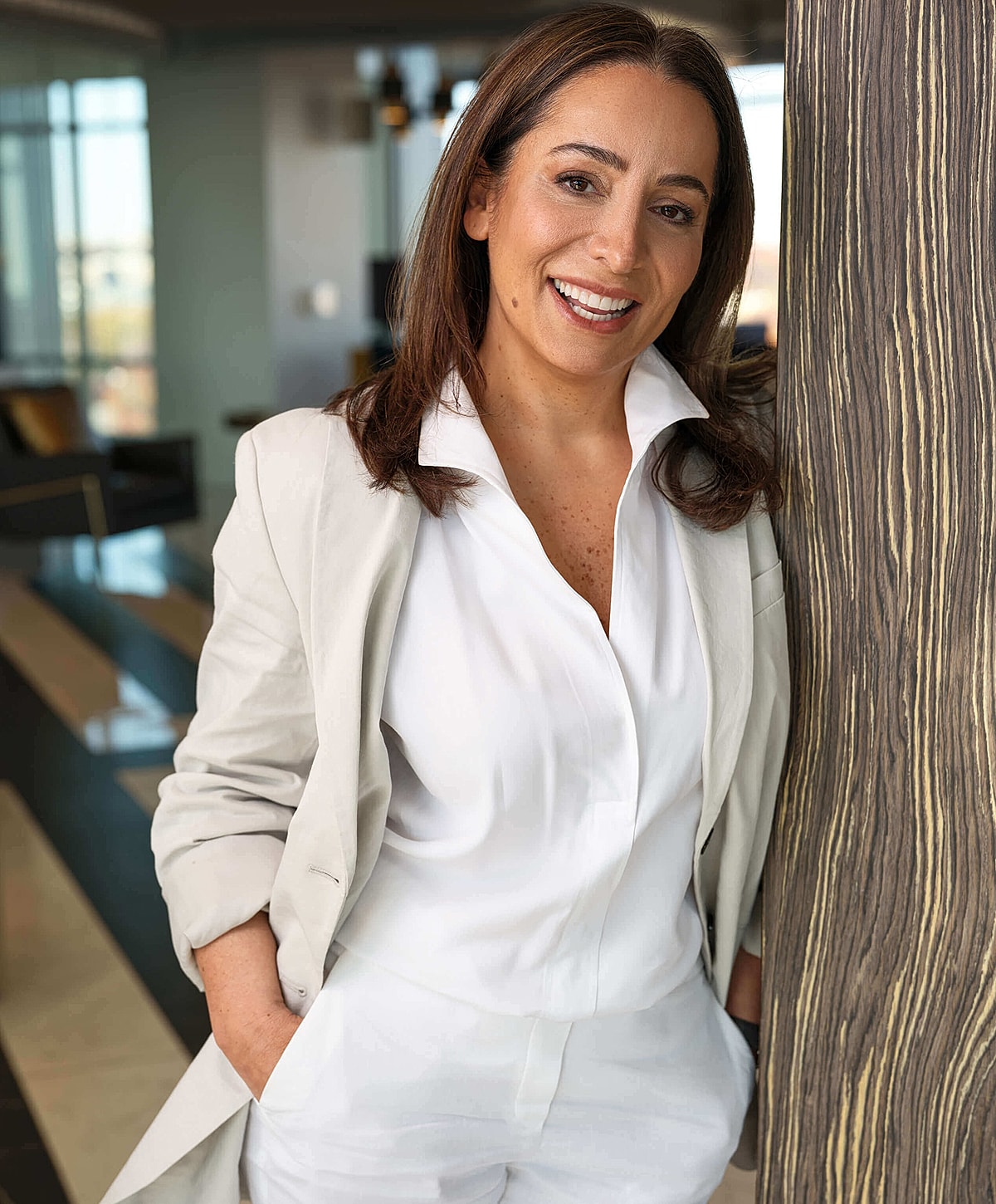
Dr. Azin Ghesmati brings together technical skill, restorative judgment, and careful planning in her approach to laser dentistry. She believes that advanced technology should make a real difference in patient care, not just look impressive on paper.
Before becoming a dentist, she studied software engineering and worked in project management. This background helps her handle complex situations. She carefully evaluates each case, chooses the best tool, and uses modern technology only when it improves safety, accuracy, and results.
Patients often notice how calm and organized their experience is. The standards are high, the plan is clear, and nothing feels rushed or exaggerated.
If you are considering treatment for gum problems, tissue contouring, certain restorative care, or another procedure where laser treatment might help, your next step is to schedule a consultation with Dr. Azin Ghesmati. To book your consultation for laser dentistry in Washington, DC, please contact Chevy Chase Digital Dentistry.